Your cart
Your cart is empty

A legendary valley dominated by the peaks of the Mont Blanc massif, Chamonix embodies a vibrant high-mountain environment, shaped by altitude, glaciers and a long tradition of exploration. A land of mountaineering and passage, it maintains a close link between nature, expertise and mountain culture. With Les Alpes by Opinel, we set off to discover the people who bring this exceptional region to life, for an immersion in the heart of an iconic landscape.
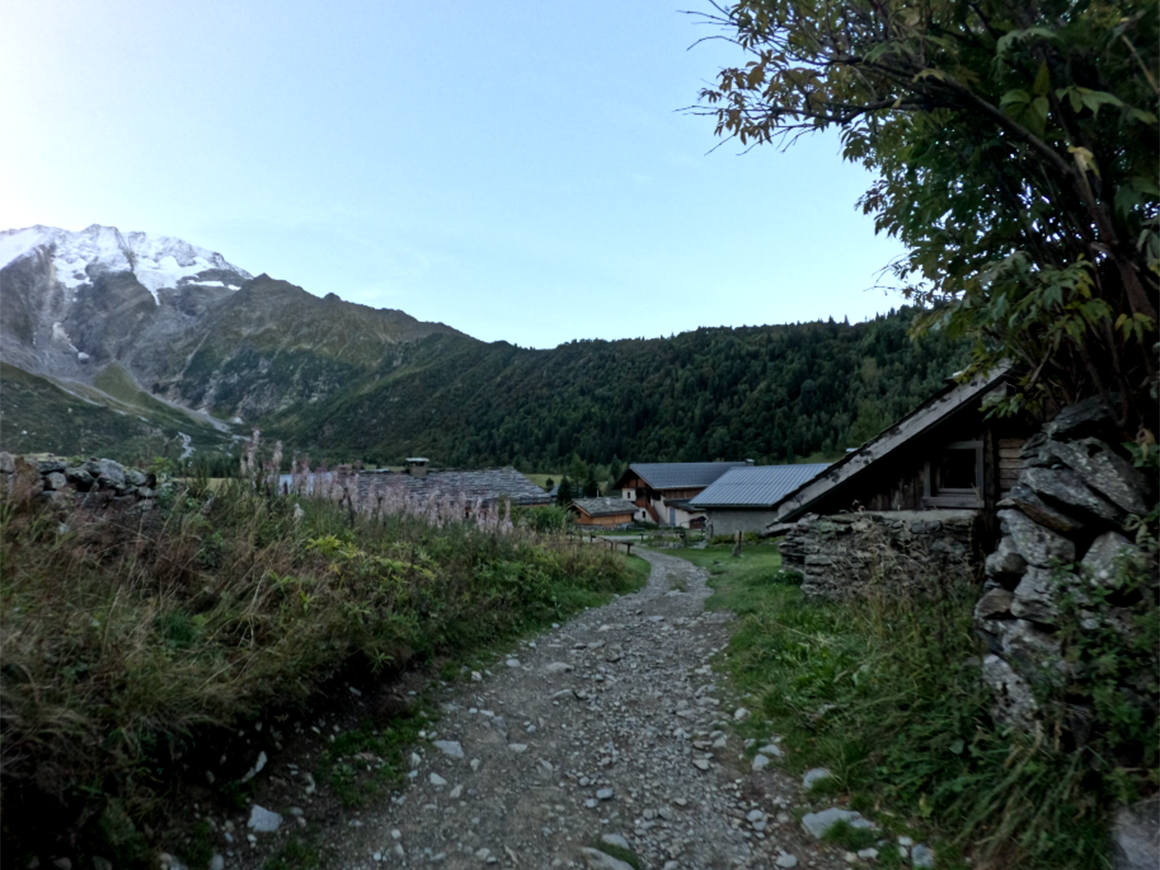
Historically, mountain pastures have been a fundamental part of the economy of the Val Montjoie.From the end of the 13th century, Dame Béatrix de Faucigny, the local lord, granted the right to use the mountain pastures throughout the area — and those of Miage in particular — to the inhabitants of the hamlets in the parish of Saint-Gervais in exchange for an initial sum, plus an annual rent. This concession, known as an ‘albergement’, could be passed down from generation to generation.
Until the 1960s, several families would ‘head up to the mountains’ every summer in the Miage valley to tend their cows and devote themselves to making tommes. Today, these pastures are home only to cattle brought up to fatten over the summer, and the old alpine chalets have become highly sought-after second homes for the people of St-Gervais.
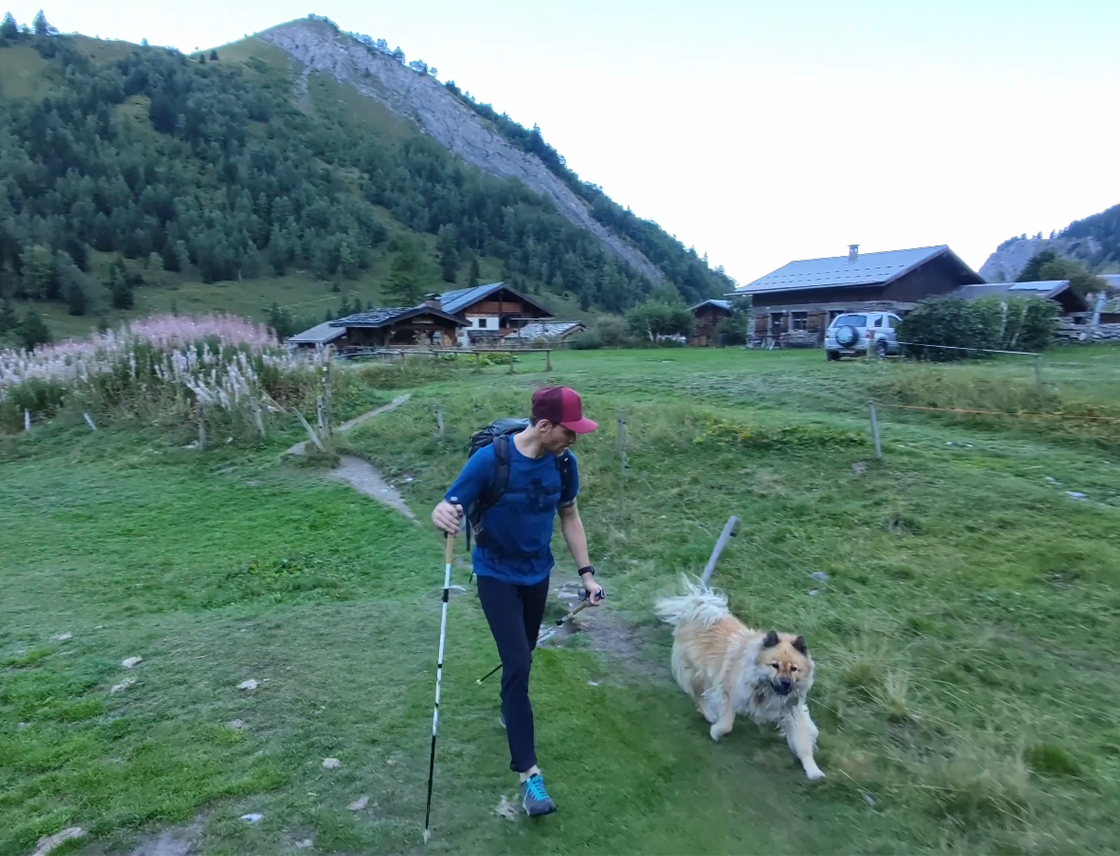
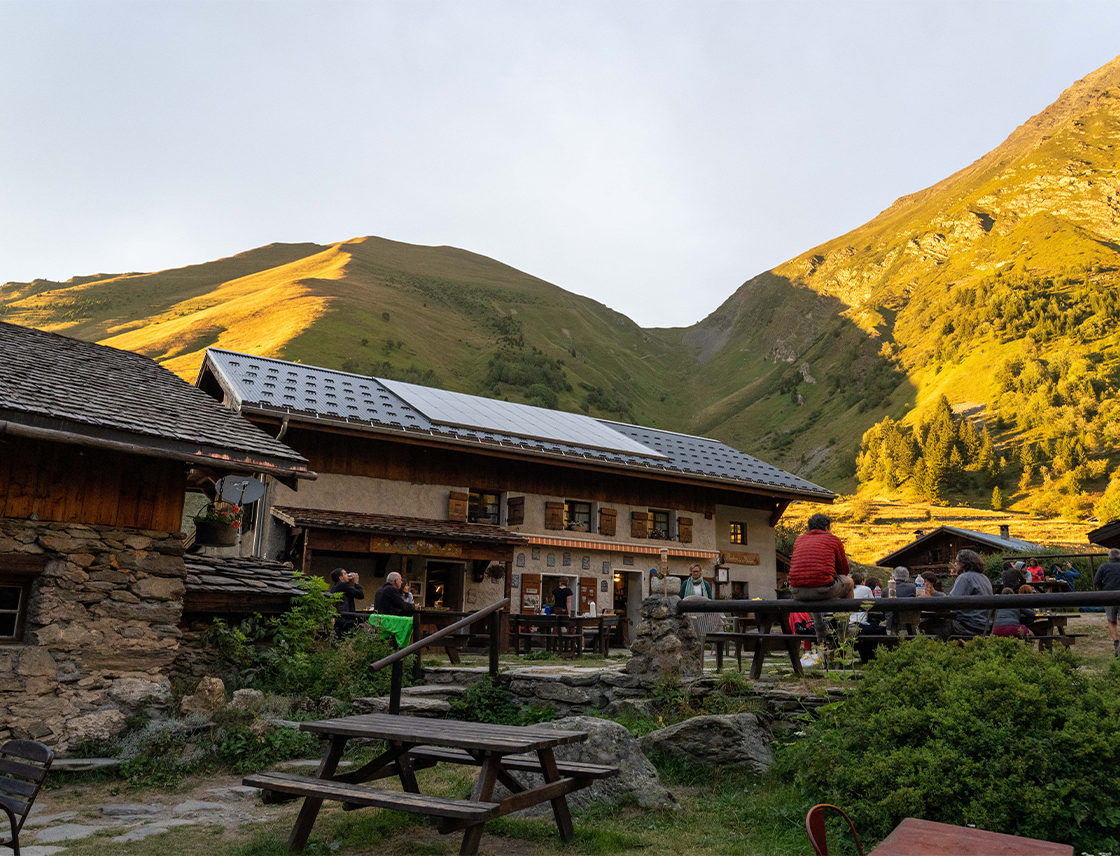
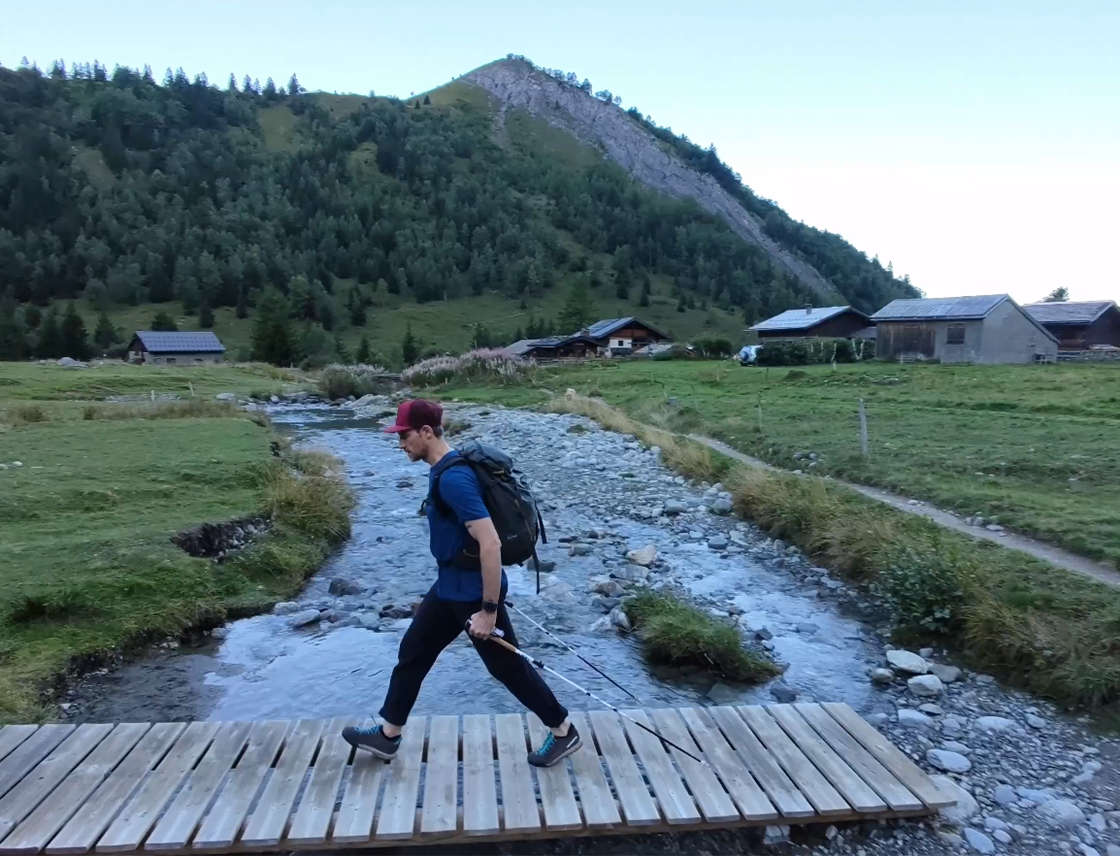
In the heart of the Mont Blanc massif, far from the hustle and bustle of the Chamonix valley, the Plan Glacier refuge embodies a rougher, quieter, almost secretive side of the mountains.
Nestled at an altitude of 2,700 metres, facing the hanging seracs and the mineral lines of the Dômes de Miage, this refuge is a destination in its own right — as much for the experience as for the journey. For here, the route matters just as much as the destination.
There are two main routes to Plan Glacier, each offering a different perspective on the mountains: the Chemin des Contrebandiers and the Moraine de l’Ours.
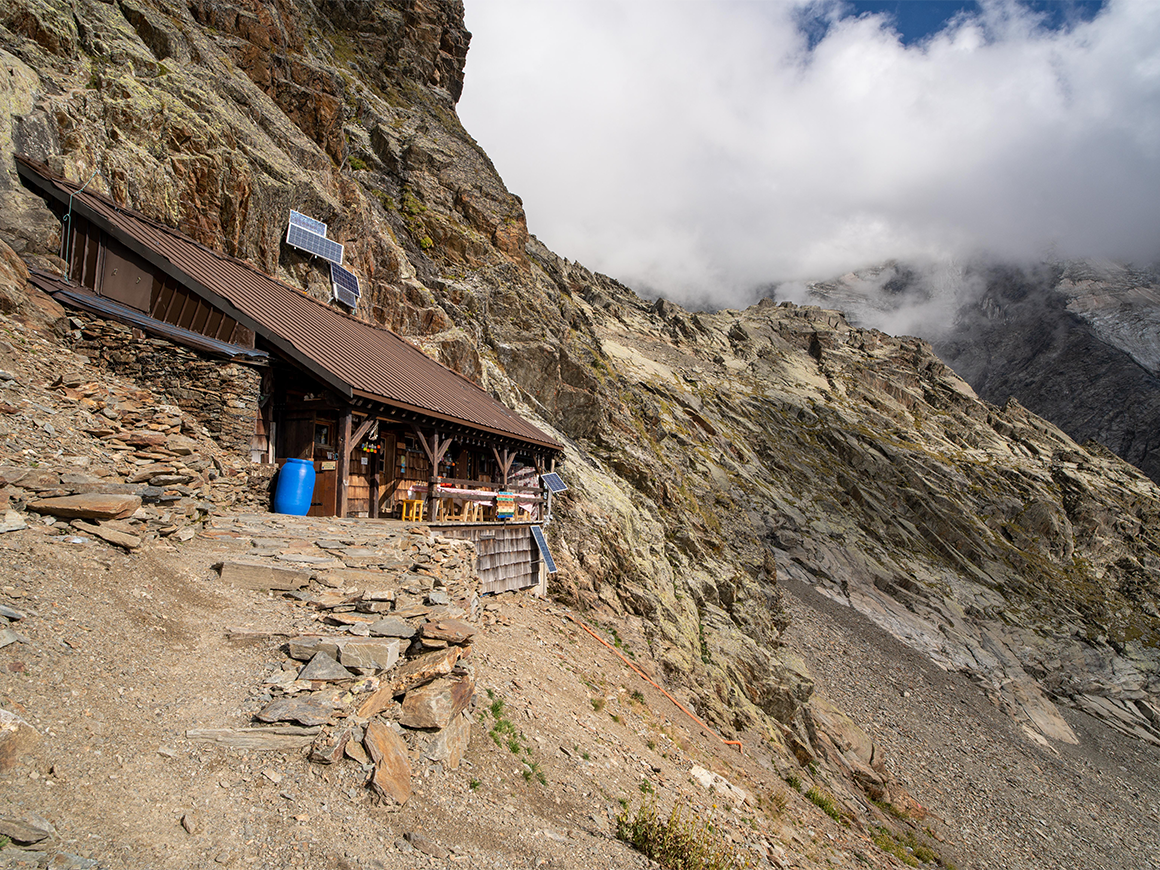
Accessible only on foot, the Plan Glacier refuge is well worth the effort.
This relative difficulty of access makes it a preserved haven, frequented by seasoned hikers and mountaineers en route to the area’s major climbs.
From its terrace, you can see the Miage Glacier, one of the largest in France, and the jagged ridges that define the horizon.
In summer, the light here is particularly striking: raw rock, persistent snowfields and an often crystal-clear sky combine to create a demanding yet breathtaking landscape.
An aerial and historic traverseThe Smugglers’ Trail is undoubtedly the most iconic route. Historically used to cross the border discreetly, this route runs along steep slopes and crosses several exposed sections.
📍 Start: Champel area / Les Contamines-MontjoieProfile: balcony traverse, cable-assisted sections⏱ Duration: full day (7 to 9 hours depending on pace)
The path winds above the Val Montjoie, offering unobstructed views. Some sections are equipped with cables, though this does not constitute a via ferrata: this is alpine terrain where concentration is essential.
🥾 Who is it for?This route is aimed at experienced hikers who are comfortable with heights and capable of navigating technical terrain. It requires both stamina and a cool head.
A gradual ascent across glacial terrainLess exposed but just as physically demanding, the Moraine de l’Ours offers a more direct route, gradually climbing the terrain shaped by the glacier.
📍 Start: La Gruvaz / Val Montjoie🏞 Profile: sustained climb, unstable terrain in places⏱ Duration: 6 to 8 hours
The route first crosses mountain pastures and forests before moving into a more rocky landscape. The moraine — a pile of rocks left behind by the glacier — requires careful progress.
🥾 Who is it for?This route is suitable for experienced walkers who are less interested in exposed sections than in sustained effort. It remains technical, but is psychologically more accessible than the Chemin des Contrebandiers.
Situated at an altitude of 3,842 metres, the Aiguille du Midi is one of Chamonix’s most iconic landmarks. Accessible by cable car from the town centre, it takes you up to the high mountains in under 30 minutes, with no prior technical experience required.
The site also offers a view of the starting points for mountaineering routes, notably towards the Aiguille du Midi ridge or the Vallée Blanche.
Access: cable car from Chamonix (2 sections) Ascent time: approx. 20 minutes Altitude: 3,842 m Tip: book in advance during peak season
The Mer de Glace is France’s largest glacier. Accessible via the Montenvers train, it is one of the valley’s most visited natural sites.
The site offers an educational insight into the alpine environment and its changes, particularly those linked to glacial retreat.
Access: rack railway from Chamonix
Journey time: approx. 20 minutes
Arrival altitude: 1,913 m
Access to the glacier: via stairs + cable car (depending on the season)
Are you sure you want to perform this action?